
How Do You Make Potato Soup? Your Simple Guide to a Comfort Food Classic
You’re standing in your kitchen, thinking about a steaming, creamy bowl of potato soup. It sounds perfect, but then the questions start. Do you just boil potatoes and add milk? Why does homemade sometimes taste bland or end up weirdly gluey? If you’ve ever searched for how do you make potato soup that’s actually rich, satisfying, and foolproof, you’re in the right place.
The gap between a mediocre potato soup and a magnificent one isn’t about fancy ingredients—it’s about a few simple techniques. This guide is designed to demystify the process completely. We’ll walk through the “why” behind each step, so you don’t just follow a recipe, you understand it. By the end, you’ll be able to whip up a pot of soul-warming soup that’s customizable, budget-friendly, and sure to become a regular in your meal rotation.
The Core Principle: It’s All About Building Flavor
Great soup doesn’t start with boiling potatoes. It starts with building layers of flavor. Think of it like constructing a house: you need a solid foundation. The three key layers in our potato soup are:
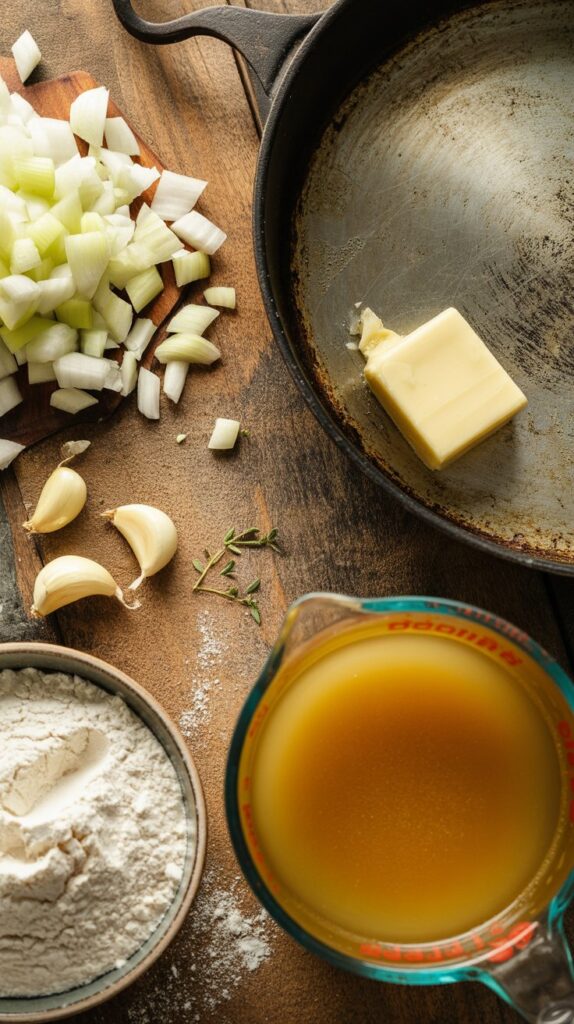
- The Aromatic Base: Onions (and garlic) sautéed in butter create a sweet, savory foundation.
- The Thickening Agent: A simple roux (flour cooked in fat) gives the soup body and prevents a watery texture.
- The Simmering Liquid: Using a good broth instead of just water infuses the potatoes with depth from the very start.
This layered approach is what separates a “meh” soup from a “more, please!” soup.
Your Essential Potato Soup Toolkit: Ingredients & Equipment
You don’t need much to make magic happen.
The Short & Sweet Ingredient List:
- The Fat: 4 Tbsp butter or olive oil
- The Aromatics: 1 large yellow onion (chopped), 2-3 cloves garlic (minced)
- The Thickener: ⅓ cup all-purpose flour
- The Liquid: 4 cups chicken or vegetable broth (low-sodium is best)
- The Star: 2 lbs potatoes (see comparison below!)
- The Seasoning: 1 tsp dried thyme, 1 bay leaf, salt & black pepper
- The Creaminess: 1 ½ cups whole milk, half-and-half, or heavy cream
- The Toppings (The Fun Part!): Shredded cheese, crispy bacon, chives, sour cream
The Great Potato Debate: Which Spud is Best?
| Potato Type | Best For… | Texture & Flavor |
|---|---|---|
| Russet | A thicker, hearty, slightly rustic soup. | High starch, breaks down easily, creating a naturally thicker broth. Fluffy texture. |
| Yukon Gold | A creamier, silkier, “fancier” soup. | Medium starch, holds shape a bit better, has a naturally buttery flavor. |
| Tip: Can’t decide? Use a 50/50 blend for the best of both worlds! |
Helpful Tools for the Job:
Having the right tools makes the process smoother and more enjoyable. A sturdy Dutch oven is my top recommendation for even heating and perfect simmering. For achieving that dreamy texture, an immersion blender is a game-changer—it lets you puree right in the pot. Of course, a good chef’s knife and cutting board are essential for prepping those onions and potatoes safely and quickly.
(Interested in the specific brands I use and trust in my own kitchen? I’ve linked my top-rated, durable favorites at the end of this post.)
How Do You Make Potato Soup? The Step-by-Step Method
Let’s break it down into seven simple steps. Follow these, and you simply cannot fail.
The Foolproof, 7-Step Process for Perfect Potato Soup
Step 1: Build the Flavor Foundation.
In your large pot or Dutch oven, melt the butter over medium heat. Add the chopped onion and a pinch of salt. Cook for 5-7 minutes, stirring occasionally, until the onions are soft and translucent. Add the minced garlic and cook for 1 more minute until fragrant. This step is non-negotiable for great flavor.
Step 2: Make the Roux.
Sprinkle the flour over the cooked onions and garlic. Stir constantly and cook for about 2 minutes. You’re toasting the flour in the fat, which will thicken your soup beautifully and get rid of any raw flour taste.
Step 3: Whisk in the Broth.
Slowly pour in the broth while whisking constantly. This vigorous whisking is key to preventing lumpy soup. Keep whisking until the mixture is smooth and begins to simmer and thicken slightly.

Step 4: Add Potatoes & Simmer.
Stir in your diced potatoes, dried thyme, and the bay leaf. Bring the pot to a gentle boil, then reduce the heat to low, cover, and let it simmer for 15-20 minutes. The soup is ready when the potatoes are fork-tender.
Step 5: Achieve Your Perfect Texture.
Remove the bay leaf. Now, decide on your texture:
- Classic Chunky: Use a potato masher to mash about half of the potatoes right in the pot.
- Velvety Smooth: Use an immersion blender to puree the soup to your desired consistency. (This is my personal favorite method for luxury-level creaminess without heavy cream!)
Step 6: Add Dairy & Final Seasoning.
Reduce the heat to low. Stir in your milk or cream. Warm it through, but do not let it boil, as this can cause the dairy to curdle. This is the most important moment: TASTE YOUR SOUP. Season generously with salt and freshly ground black pepper. Potatoes need a lot of seasoning, so don’t be shy.
Step 7: Garnish and Serve!
Ladle the soup into bowls and let everyone add their own toppings. The combination of sharp cheddar, crispy bacon, and fresh chives is a timeless winner.
Beyond the Basic: 5 Easy Variations to Keep It Exciting
Once you’ve mastered the base recipe, you can turn it into a whole new dish with simple add-ins.
- The “Loaded Baked Potato”: Stir 1 cup of shredded cheddar into the finished soup until melted. Top with all the classics: extra cheese, bacon, chives, and a dollop of sour cream.
- The Garden Vegetable: Add 1 cup of diced carrots and celery with the onions. In the last 5 minutes of simmering, add 1 cup of small broccoli florets or frozen peas.
- The Cozy Herb: Stir in ¼ cup of fresh, chopped herbs like parsley, dill, or chives right before serving for a bright, fresh lift.
- The Slow Cooker Savior: Sauté onions/garlic first, then add everything except the dairy to your slow cooker. Cook on LOW for 6-8 hours. Mash/blend, then stir in the cream. (Perfect for busy days!)
- The Dairy-Free & Vegan: Use olive oil, vegetable broth, and replace the dairy with full-fat canned coconut milk or unsweetened oat cream. It’s incredibly rich and creamy.
🥔 Recommended Potato Soup Kitchen Essentials
🍲 Here are a few of my favorite tools and resources that make potato soup preparation easier, faster, and way more delicious!1️⃣ Immersion Blender
Braun MultiQuick 7 Hand Blender
Powerful, smooth, and splash-free — perfect for ultra-creamy potato soup, sauces, and purées in seconds.
👉 See it on Amazon2️⃣ Soup Pot / Slow Cooker
Crock-Pot 7-Quart Slow Cooker
Set it, forget it, and let your potato soup simmer into rich, cozy perfection with zero effort.
👉 Check it out on Amazon3️⃣ Vegetable Chopper
Mueller Pro Vegetable Chopper (10-in-1)
Chop onions, dice veggies, and slice potatoes fast — meal prep made easier, cleaner, and way quicker.
👉 Grab it on Amazon4️⃣ Dutch Oven / Multi-Cooker
Ninja Foodi PossibleCooker PRO
An 8-in-1 powerhouse that sautés, slow-cooks, steams, and bakes — perfect for hearty potato soups and big-batch meals.
👉 Get it on Amazon5️⃣ Potato Soup Cookbook
The Easy Potato Soup Cookbook
50 cozy, flavorful potato soup recipes you can make anytime — simple, comforting, and delicious.
👉 Shop it on AmazonDisclosure: As an Amazon Associate, I may earn a small commission from qualifying purchases at no extra cost to you. I only recommend products I personally love and use for my own recipes.
Your Potato Soup Questions, Answered (FAQs)
Q: My soup turned out too thin. How can I fix it?
A: Make a quick slurry. Mix 1 tablespoon of cornstarch with 2 tablespoons of cold water until smooth. Whisk this into the simmering soup and cook for 2-3 minutes until thickened.
Q: Can I freeze potato soup?
A: You can, but with a pro tip. For best results, freeze the soup before adding the milk or cream. Dairy can separate when frozen and thawed. Thaw the base soup overnight in the fridge, reheat it, and then stir in fresh cream.
Q: How long will leftovers last in the fridge?
A: Properly stored in an airtight container, your homemade potato soup will stay fresh and delicious for 3-4 days. The flavors often meld and taste even better on day two!
Q: Why is my potato soup gummy or gluey?
A: This usually happens from over-blending starchy potatoes (like Russets) in a high-powered blender. It breaks down the starch cells too much. For smooth soup, use an immersion blender and pulse gently, or use Yukon Golds, which are less prone to becoming gummy.

Conclusion: Master a Lifetime Comfort Food Skill
So, how do you make potato soup that’s truly unforgettable? It’s not a mystery—it’s a method. By starting with a flavorful base of sautéed aromatics, using a roux for perfect body, simmering the potatoes in broth, and finishing with cream, you create layers of comfort in every spoonful. This guide has given you the techniques, the variations, and the confidence to make a dish that is endlessly adaptable, incredibly satisfying, and sure to impress.
You now have a foundational recipe that can adapt to your cravings, your schedule, and what’s in your pantry. This is more than just a soup recipe; it’s a reliable skill for creating cozy, homemade meals anytime.
The Easy Potato Soup Cookbook: 50 Cozy Recipes
Discover simple, flavorful potato soups for every season — effortless comfort cooking with 50 delicious recipes anyone can make.
👉 Check it out on Amazon
Disclosure: As an Amazon Associate, I may earn a small commission from qualifying purchases at no extra cost to you.